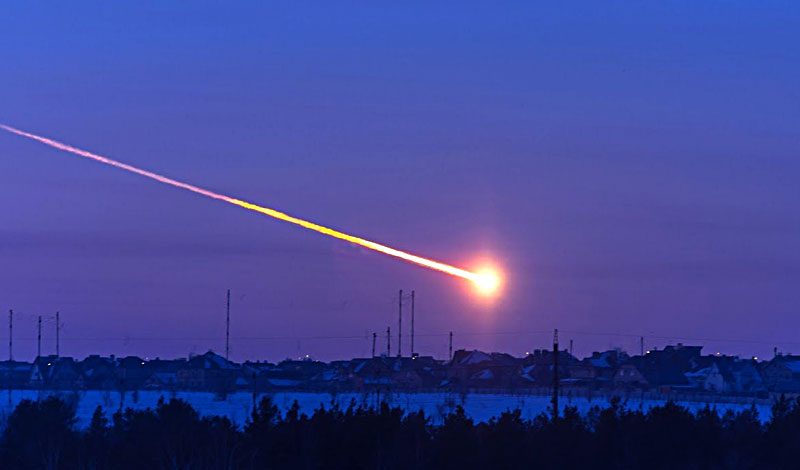
Everyone knows that a big rock did in the dinosaurs, but smaller asteroids are millions of times more common and can also make a violent impact. Yet unlike the bigger asteroids, we’re not tracking them. Find out what we’d need to keep an eye on the size of space rocks such as that which exploded over Chelyabinsk, Russia. And how an asteroid whizzed by Earth in late August 2016, only hours after it had been spotted.
Asteroids are the one natural disaster we can defend against, but an economist explains why humans are reluctant to invest in protection against “low probability, high impact” threats.
Also, how to authenticate that chunk of asteroid that you found in a field and NASA’s first ever return mission to an asteroid. It plans to bring some fresh samples back to Earth.
Guests:
- Peter Jenniskens – Senior Research Scientist, SETI Institute
-
David Morrison – Senior Scientist of the Solar System Exploration Research Virtual Institute, NASA Ames Research Center
-
Alex Tabarrok – Economist, George Mason University
-
Sharon Cisneros – Mineralogical Research Company, San Jose, California
-
J. L. Galache – Astronomer, Minor Planet Center, Harvard Center for Astrophysics
-
Christina Richey – NASA Planetary Scientist, deputy program scientist, OSIRIS-REx mission
Segments:
Part 1: Peter Jenniskens / Chelyabinsk Meteor
Part 2: David Morrison / Near-Earth Asteroids
Part 3: J.L. Galache / Finding Asteroids
Part 4: Alex Tabarrok / DisAsteroid Economics
Part 5: Sharon Cisneros / Meteorites for Sale
Part 6: Christina Richey / OSIRIS REx