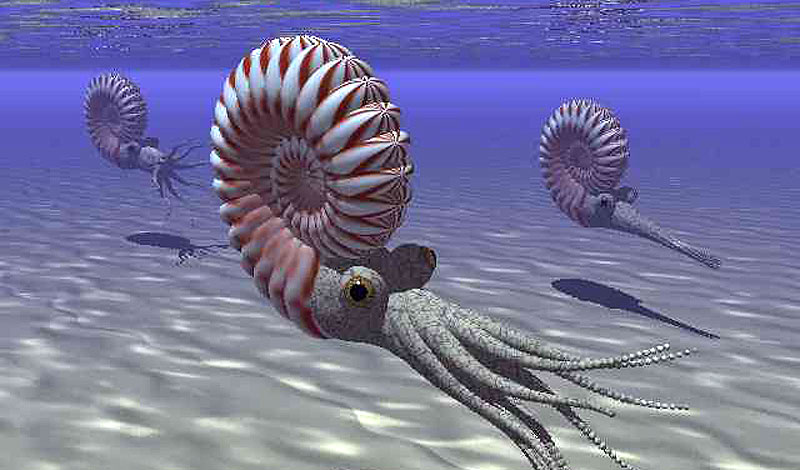
(repeat) We all may retreat to our protective shells, but evolution has perfected the calcite variety to give some critters permanent defense against predators. So why did squids and octopuses lose their shells? Find out what these cephalopods gained by giving up the shell game.
Plus why Chesapeake Bay oyster shells are shells of their former selves. What explains the absence of the dinner-plate sized oysters of 500,000 years ago, and how conservation paleobiology is probing deep time for strategies to bring back these monster mollusks.
Also, was the Earth once encased in a giant, continental shell? A new theory of plate tectonics. Land ho!
Guests:
- Rowan Lockwood – Conservation paleobiologist at the College of William and Mary.
-
Al Tanner – Ph.D. student in paleobiology at the University of Bristol, U.K.
-
Mike Brown – Professor of Geology, University of Maryland
Segments:
Part 1: Rowan Lockwood / Oyster Paleobiology
Part 2: Al Tanner / Naked Cephalopods
Part 3: Mike Brown / Earth’s Shell
originally aired March 27, 2017