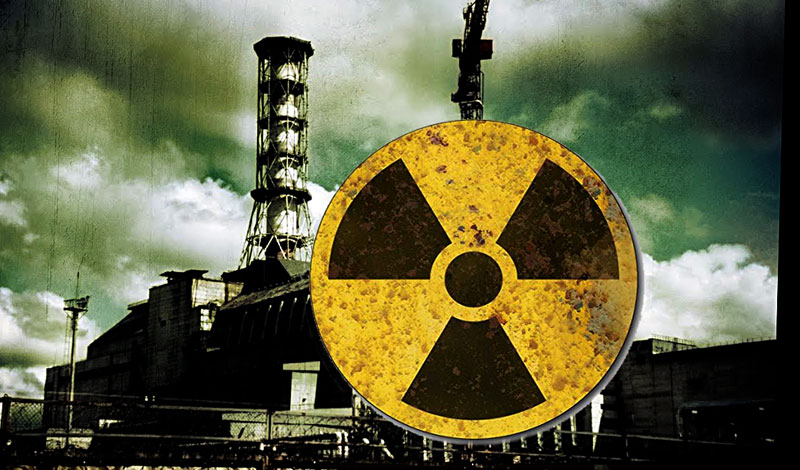
The catastrophic explosion at the Chernobyl nuclear power plant in April 1986 triggered the full-scale destruction of the reactor. But now researchers with access to once-classified Soviet documents are challenging the official version of what happened both before and after the explosion. They say that the accident was worse than we thought and that a number of factors – from paranoia to poor engineering – made the mishap inevitable. Others claim a much larger death toll from extended exposure to low levels of radiation. But with nuclear energy being a possibly essential component of dealing with rising carbon dioxide emissions, how do we evaluate risk under the long shadow of Chernobyl?
Guests:
- Adam Higginbotham – Author of “Midnight in Chernobyl: The Untold Story of the World’s Greatest Nuclear Disaster”
-
Kate Brown – Historian of Environmental and Nuclear History at the Massachusetts Institute of Technology and author of “Manual for Survival: A Chernobyl Guide for the Future”
-
James Smith – Professor in the School of Earth & Environmental Sciences, University of Portsmouth, U.K. He was interviewed for and has written a review of “Manual for Survival”
-
Ted Nordhaus – Founder and Executive Director of The Breakthrough Institute, Berkeley, California
Segments:
Part 1: Adam Higginbotham / Inevitable Disaster
Part 2: Kate Brown / Deeper Disaster
Part 3: James Smith / Disputed Disaster
Part 4: Ted Nordhaus / Nuclear Solution